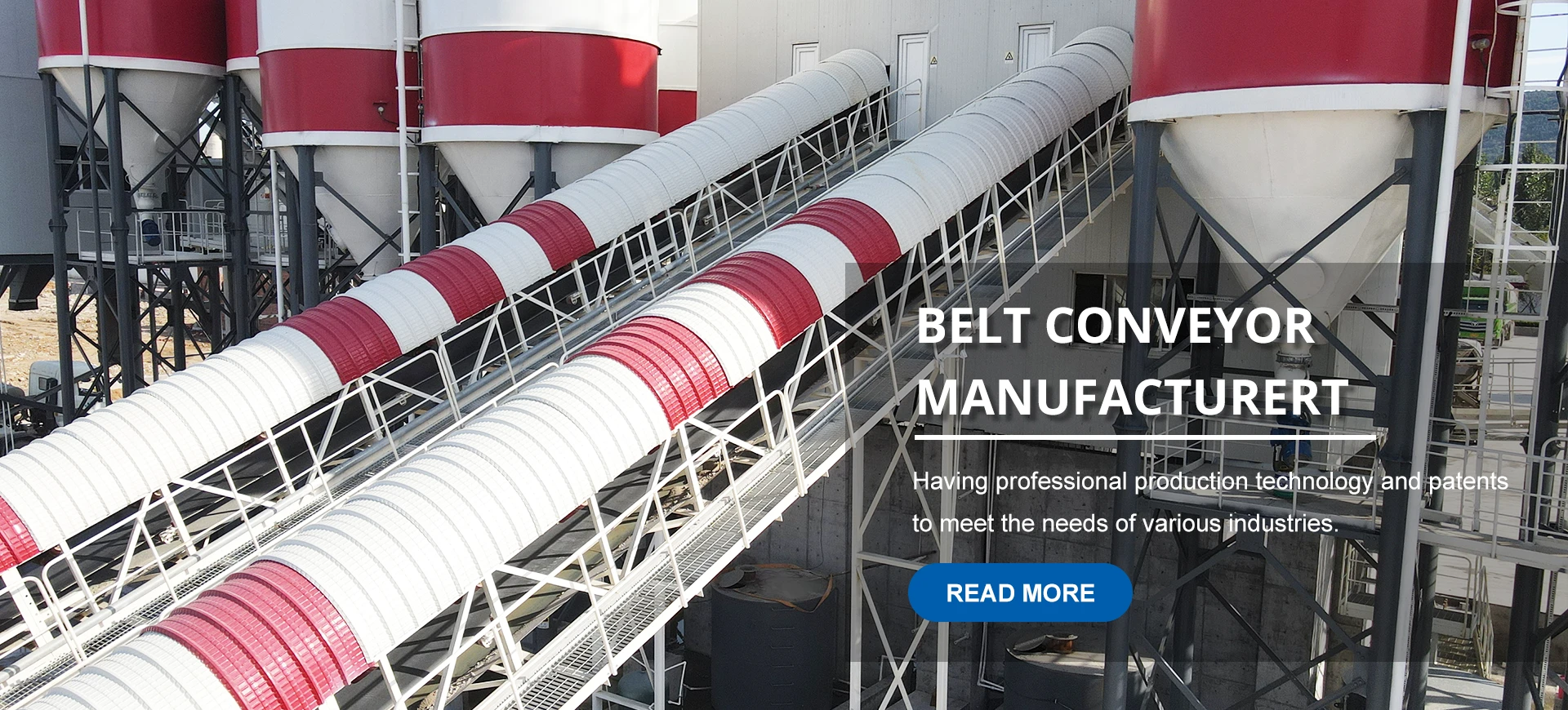
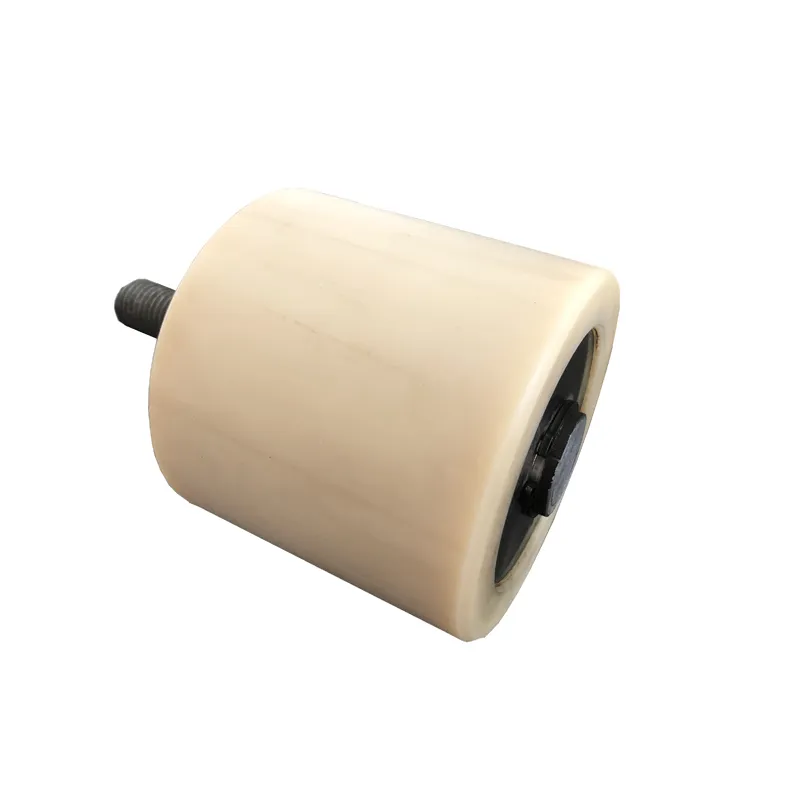
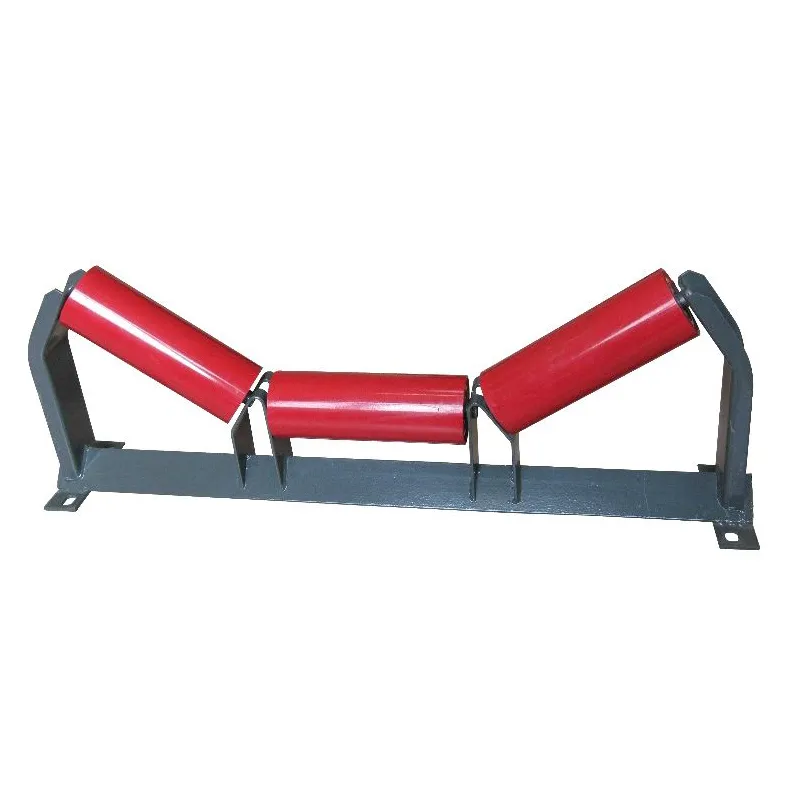
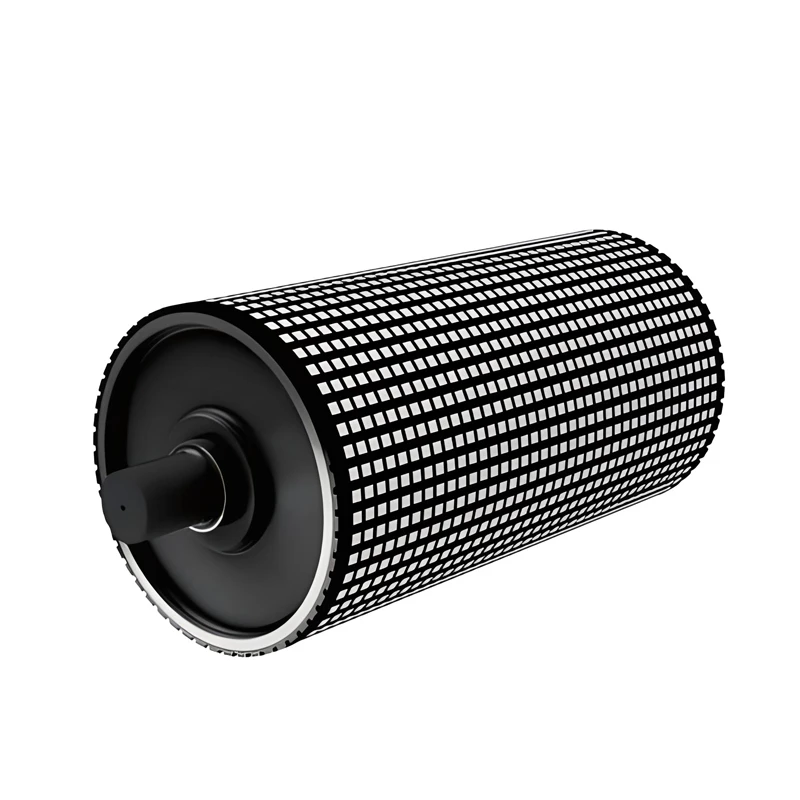
The Evolving Landscape: A Deep Dive into Conveyor Roller Manufacturing In the sprawling realm of industrial automation and material handling, the role of a conveyor roller manufacturer is nothing short of pivotal. These specialized components, often unseen but always critical, form the very backbone of countless operational workflows, from intricate logistics networks to demanding heavy industry applications. The global demand for efficient and reliable material transport systems continues to surge, driven by trends such as the relentless pace of e-commerce, the need for enhanced operational safety, and an increasing focus on energy efficiency and sustainability. Modern manufacturing facilities, distribution centers, mining operations, and ports simply cannot function optimally without robust, high-performance conveyor systems, and at their core are the rollers and drums that facilitate smooth, continuous movement. This section will explore the dynamic shifts within the conveyor roller manufacturing sector, highlighting the innovations and challenges that define this essential industry. The evolution from simple gravity rollers to sophisticated motorized conveyor drums, like the Built in Electric Conveyor Drum, signifies a profound leap in capability, offering integrated power, reduced footprint, and superior control, aligning perfectly with the principles of Industry 4.0. Industry trends are dictating a move towards more intelligent, modular, and maintenance-friendly conveyor solutions. Manufacturers are no longer just producing steel tubes with bearings; they are engineering precision components designed for specific environments and performance criteria. For instance, the rise of smart factories demands rollers capable of integrating with central control systems, offering real-time performance data to predict maintenance needs and optimize throughput. This necessitates advanced sensor integration, robust connectivity, and often, a decentralized power source, making products like the Built in Electric Conveyor Drum particularly attractive. Furthermore, environmental regulations and the drive for a smaller carbon footprint are pushing manufacturers to develop rollers with lower rolling resistance, quieter operation, and extended service lives, thereby reducing energy consumption and waste. The design and material selection for each component are scrutinized to ensure not only optimal performance but also minimal environmental impact throughout its lifecycle. This holistic approach to product development ensures that the solutions provided by a leading conveyor roller manufacturer are not just functional but are also economically and environmentally sustainable. Fig. 1: Advanced solutions from a leading conveyor roller manufacturer, demonstrating innovation and precision. The competitive landscape for a conveyor belt manufacturer or a broader conveyor manufacturer is intense, pushing the envelope for technological innovation. This includes advancements in bearing technology, such as sealed-for-life bearings that significantly reduce maintenance requirements and extend operational lifespan, crucial for applications in remote or harsh environments. The use of advanced materials, including high-strength alloys for reduced weight without compromising durability, and specialized polymers for corrosion resistance in chemical processing or food industries, are becoming standard. Moreover, precision manufacturing techniques, such as CNC machining for highly accurate shaft dimensions and automated welding for consistent shell integrity, are indispensable to meet the stringent quality demands of modern industrial applications. A key differentiator for any reputable conveyor roller manufacturer is their commitment to research and development, constantly exploring new materials, designs, and manufacturing methodologies to deliver superior products. This forward-thinking approach is what allows them to stay ahead of the curve and offer solutions that are not only effective today but also scalable for future industrial demands. The integration of digital twins and predictive analytics, where real-time data from rollers can inform maintenance schedules and operational adjustments, represents the cutting edge, turning traditional components into smart, interconnected elements of a larger intelligent system. In response to these evolving market needs, a prominent conveyor roller manufacturer focuses on delivering not just products, but comprehensive solutions. This often involves a deep understanding of the client's specific operational challenges, providing customized designs that maximize efficiency and minimize downtime. For industries like bulk material handling, where abrasives, dust, and heavy loads are the norm, rollers are designed with reinforced shells, labyrinth seals, and robust bearing housings to withstand extreme conditions. Conversely, for parcel handling or logistics, emphasis is placed on quiet operation, low inertia, and high-speed capabilities. The ability to cater to such diverse requirements, from the rugged demands of a mining site to the precision and hygiene needs of a pharmaceutical plant, underscores the expertise and versatility expected from a top-tier conveyor roller manufacturer . Furthermore, the commitment to providing unparalleled technical support and after-sales service cements the partnership, ensuring that the conveyor systems operate at peak performance throughout their lifecycle. This comprehensive approach, combining cutting-edge product development with responsive customer service, is essential for building long-term trust and fostering mutually beneficial relationships in the B2B sector. Decoding Manufacturing Excellence: From Raw Material to Precision Roller The creation of a high-performance conveyor roller is a testament to precision engineering, robust material science, and stringent quality control. For a leading conveyor roller manufacturer , the manufacturing process is a meticulously orchestrated sequence of operations designed to ensure durability, efficiency, and reliability in the most demanding environments. It begins with the selection of premium raw materials, typically high-grade steel for the shell and shaft, and specialized polymers for certain applications or coatings. For the Built in Electric Conveyor Drum, the choice of material for the external shell is crucial, often high-strength steel (e.g., Q235, 304/316 Stainless Steel) to withstand impacts and corrosion, while the internal components require precise machining from robust alloys. The journey from raw material to a finished conveyor roller involves several critical stages, each with its own set of technical parameters and quality checkpoints. The process includes precise cutting of steel tubes, sophisticated welding techniques to ensure concentricity and structural integrity, and advanced machining processes for the roller shaft and bearing housings. The manufacturing journey of a conveyor roller can be broadly categorized into several key phases. Initially, the steel tubing for the roller shell is cut to precise lengths, followed by careful deburring to prevent sharp edges that could damage conveyor belts or pose safety risks. Next, the bearing housings are pressed or welded into the tube ends. This stage is critical for ensuring the proper alignment and support for the bearings. Automated robotic welding systems are often employed here to guarantee consistent weld quality and structural integrity, minimizing distortion and ensuring high concentricity. The shafts, which are the backbone of the roller, are then machined from solid bar stock using Computer Numerical Control (CNC) lathes. This CNC machining ensures exceptionally tight tolerances for critical dimensions such as bearing seats and shaft ends, which directly impact the roller's concentricity and overall performance, especially its Total Indicated Runout (TIR). Maintaining low TIR is paramount to minimize belt wear, reduce vibration, and extend the lifespan of the entire conveyor system. For applications requiring specific performance characteristics, such as low friction or anti-corrosion, the rollers may undergo specialized surface treatments or be coated with materials like polyurethane or rubber, which also contribute to noise reduction and belt protection. Fig. 2: Precision engineering in action at a conveyor roller manufacturing facility, highlighting meticulous assembly. Quality control is integrated at every stage. After assembly, the rollers undergo rigorous testing. Key tests include runout testing, where the concentricity and straightness of the roller are measured to ensure minimal wobble during operation. Bearing tests assess lubrication, friction, and sealing effectiveness, critical for long service life and reduced maintenance. Static and dynamic balancing may also be performed, particularly for high-speed rollers or those in sensitive applications, to eliminate vibrations that could lead to premature wear or system instability. Non-destructive testing (NDT), such as ultrasonic or magnetic particle inspection, might be employed to detect any internal flaws or surface cracks in critical components, ensuring structural integrity. A reputable conveyor manufacturer adheres to strict international standards such as ISO 9001 for quality management systems, and product-specific standards like CEMA (Conveyor Equipment Manufacturers Association) or ANSI (American National Standards Institute) which specify dimensions, load capacities, and performance criteria for conveyor components. For example, CEMA standards define classes of rollers (e.g., CEMA B, C, D, E, F) based on their capacity and intended application, guiding both design and selection. Compliance with these standards assures customers of product reliability and interoperability. The typical designed service life for well-manufactured conveyor rollers ranges from 30,000 to 50,000 operating hours under normal conditions, though specialized heavy-duty rollers can exceed this, offering up to 80,000 hours with proper maintenance. This longevity is a direct result of the meticulous manufacturing processes and adherence to quality benchmarks. The application of these rollers spans across a myriad of industries, each with unique environmental and operational challenges. In the petrochemical industry, rollers must exhibit exceptional resistance to corrosive chemicals, high temperatures, and potentially explosive atmospheres, often requiring stainless steel construction or specialized coatings, along with ATEX certification for explosion protection. For metallurgy, rollers are exposed to extreme heat, heavy, abrasive materials, and significant impact loads, necessitating robust construction, heat-resistant components, and enhanced impact strength. In water treatment and wastewater management (giving and draining water), rollers must be highly resistant to moisture, chemicals, and microbial growth, making sealed bearings and corrosion-resistant materials indispensable. The advantages of well-engineered rollers in these scenarios are manifold: they contribute to significant energy savings by minimizing friction and reducing motor load (up to 15% reduction in power consumption can be achieved with optimized roller design), and they offer superior anti-corrosion properties that prevent premature failure in harsh, wet, or chemically aggressive environments. This reduces the frequency of replacements, leading to lower maintenance costs and maximized operational uptime. To illustrate the parameters and standards involved, consider the following table detailing typical manufacturing and inspection parameters for high-quality conveyor rollers: Table 1: Key Manufacturing and Inspection Parameters for Conveyor Rollers Parameter/Process Description Typical Standard/Value Impact on Performance Raw Material (Shell) High-strength, low-carbon steel tubing (e.g., Q235, S235JR), or Stainless Steel (304/316 for corrosive environments). Yield Strength > 235 MPa, Tensile Strength > 370 MPa. Conformity to EN 10025, ASTM A36. Ensures structural integrity, impact resistance, and corrosion resistance (for SS). Shaft Material Cold-drawn steel (e.g., C45, 1045 steel). Tensile Strength > 580 MPa. Hardness 180-210 HB. Provides rigidity, resists bending under load, and ensures proper fit with bearings. Manufacturing Process Automated tube cutting, robotic welding for end housings, CNC machining for shaft and bearing seats, surface treatment (powder coating/galvanizing). Welding standard ISO 5817 Level B. CNC tolerance ±0.02mm for bearing seats. Ensures dimensional accuracy, strong joints, smooth operation, and corrosion protection. Total Indicated Runout (TIR) Measurement of eccentricity or wobble of the roller shell. Typically < 0.5 mm for standard rollers, < 0.3 mm for high-precision rollers (CEMA Grade A). Lower TIR reduces belt wear, vibration, noise, and power consumption. Rolling Resistance Friction generated by the roller as it rotates. Measured in N/m (Newtons per meter). Varies by load and design; target is minimized. Lower resistance leads to significant energy savings and reduced motor strain. Bearing Type & Sealing Deep groove ball bearings (6204/6205/6305 etc.) with multi-labyrinth or contact seals. IP55/IP66 for dust and water ingress protection. Bearing life L10 > 50,000 hours. Protects bearings from contaminants, extends roller life, reduces maintenance. Static/Dynamic Balancing Ensuring even weight distribution to prevent vibration at high speeds. ISO 1940-1 Grade G6.3 or G16 (for lower speeds). Critical for high-speed applications, preventing premature bearing failure and structural damage. Technical Prowess of Built in Electric Conveyor Drums: The Future of Material Handling At the forefront of conveyor technology lies the Built in Electric Conveyor Drum, a revolutionary component that integrates the motor, gearbox, and bearings directly within the drum shell. This ingenious design eliminates external components such as motors, gear reducers, V-belts, and chains, leading to a significantly reduced footprint, enhanced safety, and superior operational efficiency. Unlike traditional motor-driven systems that require a separate power unit, the electric drum provides an all-in-one solution that simplifies installation, reduces noise, and minimizes maintenance requirements. The advantages are numerous and highly compelling for any forward-thinking conveyor manufacturer . Firstly, the compact design frees up valuable floor space, making it ideal for applications where space is at a premium, such as in logistics hubs, food processing plants, or retail distribution centers. Secondly, by enclosing all rotating and electrical parts within the drum, safety is inherently enhanced, as there are no exposed moving parts to pose a hazard. This also makes the drum suitable for harsh or wash-down environments, provided appropriate IP ratings are met. The technical specifications of the Built in Electric Conveyor Drum are what truly set it apart. These drums are available in a wide range of power outputs, typically from 0.04 kW up to 30 kW or more, allowing them to handle diverse loads and speeds. Drum diameters commonly range from 80mm to over 800mm, accommodating various belt widths and capacities. The peripheral speed of the drum can be precisely controlled, from very slow (e.g., 0.1 m/s) for delicate handling to high speeds (up to 5 m/s) for rapid bulk material transfer. This versatility makes them suitable for an extensive array of applications. A critical technical parameter is the Ingress Protection (IP) rating, which indicates the drum's resistance to dust and water. Many high-quality electric drums achieve IP66, meaning they are fully protected against dust ingress and strong jets of water, making them ideal for food and beverage industries, mining, or outdoor applications where cleanliness and resilience to environmental factors are paramount. Operating temperatures typically range from -20°C to +40°C, with specialized versions capable of handling extremes beyond this. The maximum load capacity for a single drum can extend to several tons, depending on its size and power, demonstrating their robust construction. Fig. 3: A detailed view of a Built in Electric Conveyor Drum, showcasing its integrated design and compact form factor. The internal workings of the Built in Electric Conveyor Drum are a marvel of compact engineering. They typically feature a high-efficiency motor (often asynchronous or permanent magnet synchronous motors for higher efficiency) connected to a planetary gear system or helical gear system, which provides the necessary torque and speed reduction within a confined space. The gears are usually made from hardened steel, precision-machined for smooth, quiet operation and long life. High-quality bearings are sealed and pre-lubricated for life, eliminating the need for external greasing points, a major advantage in reducing maintenance. Furthermore, thermal management is crucial; internal heat dissipation is optimized through sophisticated cooling fins or, in some high-power units, even active cooling systems. The electrical connections are sealed and robust, designed to withstand industrial conditions. The overall Mean Time Between Failures (MTBF) for a well-designed Built in Electric Conveyor Drum can exceed 25,000 hours, significantly higher than many external motor-gearbox combinations due to the protected internal environment and simplified power transmission. This translates directly into lower operational expenditure and higher system uptime for the end-user. For a conveyor roller manufacturer specializing in these advanced solutions, the emphasis is on delivering products that offer not just performance, but also total cost of ownership benefits. Reduced energy consumption is a major selling point, with electric drums typically being 10-15% more energy efficient than conventional drive systems due to fewer components and less friction. Maintenance costs are drastically cut, as there are no external belts to tension, chains to lubricate, or exposed shafts to align. This simplification of the drive system also leads to a reduction in spare parts inventory. The inherent cleanliness of the drum, with no external oil leaks or grease points, makes it indispensable for industries with strict hygiene requirements, such as food processing, pharmaceuticals, and cleanrooms. Moreover, the low noise levels, typically below 65 dB(A) even at full load, contribute to a safer and more comfortable working environment, which is increasingly regulated globally. The ability to integrate speed control and soft start/stop capabilities further enhances system flexibility and reduces mechanical stress on the conveyor belt and other components, prolonging their life. To provide a clearer picture of the capabilities of these advanced components, here's a typical specification table for a range of Built in Electric Conveyor Drums: Table 2: Typical Specifications for Built in Electric Conveyor Drums Parameter Range/Value Notes Drum Diameter (D) 80mm - 800mm+ Matches various belt widths and load requirements. Face Width (L) 200mm - 1800mm+ Customizable to conveyor belt width. Motor Power 0.04 kW - 30 kW Supports light to heavy-duty applications. Peripheral Speed 0.1 m/s - 5.0 m/s Wide range for various throughput demands. Voltage 220V/380V/400V/480V, 3-Phase, 50/60Hz Standard industrial voltages. IP Rating IP54 / IP66 Protection against dust and water jets. Operating Temperature -20°C to +40°C (Standard) Extended range available for specific conditions. Shell Material Carbon Steel (Powder Coated), Stainless Steel (304/316) Durability and corrosion resistance. Noise Level < 65 dB(A) Low noise for better working environment. Energy Efficiency IE3 / IE4 equivalent High efficiency, reducing operational costs. Applications Across Industries: Where Conveyor Rollers Drive Efficiency The versatility of conveyor rollers, particularly advanced solutions like the Built in Electric Conveyor Drum, means they are indispensable across a broad spectrum of industries, each presenting unique challenges and demands. A proficient conveyor roller manufacturer understands these nuanced requirements and engineers products tailored to specific operational environments. Let's delve into some key industries and the distinct advantages that specialized conveyor rollers offer, emphasizing their contribution to energy efficiency and corrosion resistance, two critical factors in modern industrial operations. In the demanding realm of Mining and Aggregates, conveyor systems are the arteries that transport vast quantities of raw materials like coal, ore, sand, and gravel. Here, rollers are subjected to extreme conditions: heavy impact loads from falling materials, highly abrasive dust, and often continuous operation in harsh outdoor environments. Therefore, rollers designed for this sector must be robust, featuring reinforced shells, heavy-duty bearings with labyrinth seals to prevent dust ingress, and impact rings made of rubber or polyurethane to absorb shocks. The ability to withstand such punishment directly translates to reduced downtime and lower maintenance costs, contributing significantly to the overall energy efficiency by ensuring smooth material flow and minimizing motor strain due to reduced friction. In the fast-paced world of Logistics and Warehousing, the focus shifts towards speed, precision, and low noise. Conveyor systems here handle a diverse range of items, from small packages to large pallets, requiring rollers that can operate at high speeds with minimal vibration and excellent tracking. Built in Electric Conveyor Drums are particularly suited for this environment due to their compact, quiet, and maintenance-free design. Their integrated motor allows for precise speed control, enabling sophisticated sortation systems and optimizing throughput in automated warehouses. The absence of external drive components also means cleaner operations, reducing the risk of contamination for goods and ensuring a safer working environment for personnel. This inherent efficiency not only speeds up operations but also reduces the energy consumed per item moved, aligning with sustainable logistics practices. The demand for higher throughput and reduced manual intervention in e-commerce fulfillment centers has led to a surge in demand for such intelligent and compact drive solutions, underscoring the critical role of a responsive conveyor manufacturer . Fig. 4: Conveyor rollers in action, highlighting their critical role across various industrial applications, from bulk handling to logistics. For the Food and Beverage industry, hygiene and corrosion resistance are non-negotiable. Rollers in these environments must withstand frequent wash-downs with aggressive cleaning agents, operate in conditions with high humidity or temperature fluctuations, and prevent any possibility of contamination. Stainless steel rollers (304 or 316 grade), often with specialized food-grade lubricants and IP66 or IP69K rated seals, are standard. The Built in Electric Conveyor Drum excels here, as its fully enclosed design eliminates external components that could collect debris or harbor bacteria. Their high IP ratings ensure they can endure harsh cleaning regimes, significantly reducing the risk of food safety breaches and extending equipment life in corrosive atmospheres. This directly contributes to operational efficiency by reducing sanitation time and extending the Mean Time Between Failures (MTBF) in hygiene-critical zones. Similarly, in the Chemical and Petrochemical sectors, conveyor rollers face highly corrosive substances, extreme temperatures, and sometimes explosive atmospheres. Specialized coatings (e.g., PTFE, Ceramics), exotic alloys, and explosion-proof (ATEX certified) designs are paramount. A competent conveyor roller manufacturer will provide rollers with superior anti-corrosion properties and robust sealing systems to prevent ingress of aggressive chemicals into bearings, thereby ensuring safety and long-term operational integrity. The intrinsic safety of enclosed drums is a significant advantage in these volatile environments. The Agricultural sector often requires rollers capable of handling bulky, sometimes damp or abrasive materials like grains, fertilizers, and animal feed. Rollers here need to be rugged, resistant to dust and moisture, and easy to clean. Robust sealing systems and galvanized or coated surfaces are common to combat corrosion and wear. In Power Generation, particularly coal-fired plants, conveyor rollers transport immense volumes of coal, ash, and other bulk materials. These environments are characterized by heavy loads, high abrasion, and continuous operation, demanding rollers with exceptional durability and reliability. The design often includes reinforced shells and large-diameter bearings to cope with the immense stress, while low-friction designs contribute to significant energy savings. Lastly, for Water Treatment and Wastewater Management (often referred to as 'giving and draining water' in some regions), conveyor systems are used to transport sludge, chemicals, and solid waste. Rollers in these plants are constantly exposed to moisture, chemicals, and corrosive gases. Stainless steel construction, advanced sealing technologies, and specialized coatings are crucial to prevent premature failure due to corrosion and ensure operational continuity. The energy efficiency gains from well-designed rollers, reducing the power needed to move heavy, often viscous, materials, are substantial in these energy-intensive operations. Across all these diverse applications, the core advantages provided by an advanced conveyor roller manufacturer remain consistent: superior energy efficiency achieved through low-friction designs and integrated drive systems (like the Built in Electric Conveyor Drum), and exceptional anti-corrosion properties ensured by material selection, surface treatments, and advanced sealing technologies. These combined benefits lead to reduced operational costs, extended equipment life, and enhanced safety, making the choice of the right conveyor component supplier a strategic decision for any industrial enterprise. The economic impact of choosing high-quality, application-specific rollers is tangible, leading to significant savings over the lifetime of a conveyor system. Choosing Your Partner: A Conveyor Manufacturer Comparison and Custom Solutions Selecting the right conveyor roller manufacturer is a strategic decision that directly impacts the efficiency, longevity, and total cost of ownership of any material handling system. In a competitive market flooded with options, distinguishing between suppliers requires a discerning eye for quality, technical prowess, and service commitment. Beyond merely comparing price lists, discerning buyers, particularly B2B decision-makers and technical personnel, must evaluate several critical criteria to ensure they partner with a manufacturer capable of delivering reliable, high-performance solutions. Key considerations include the manufacturer's reputation and track record within the industry, their investment in research and development (R&D), the breadth and depth of their product portfolio, their customization capabilities, and the robustness of their after-sales support and warranty provisions. A long-standing presence in the market, coupled with positive client testimonials and verifiable case studies, often signals a manufacturer's dependability and expertise. A crucial differentiator for a top-tier conveyor manufacturer is their commitment to innovation, reflected in their R&D investments. Are they simply producing standard components, or are they pushing the boundaries with new materials, advanced designs (such as the Built in Electric Conveyor Drum), and smart technologies? Manufacturers who actively engage in R&D are typically those who can offer cutting-edge solutions that solve complex problems, such as reducing energy consumption, operating in extreme environments, or integrating with Industry 4.0 systems. Furthermore, the quality of their manufacturing processes, as evidenced by certifications like ISO 9001:2015, CE marking, and adherence to industry standards like CEMA, provides an assurance of consistent product quality and reliability. This attention to detail in production processes, from material sourcing to final inspection, significantly influences the lifespan and performance of the rollers. For instance, a manufacturer that employs advanced robotic welding, precision CNC machining, and rigorous balancing tests will consistently produce rollers with lower Total Indicated Runout (TIR) and superior overall performance. Fig. 5: Illustrating the flexibility of a conveyor roller manufacturer in delivering custom-engineered solutions for unique industrial requirements. The ability to provide custom solutions is another hallmark of an excellent conveyor roller manufacturer . While standard rollers meet many needs, specialized applications often require bespoke designs to optimize performance. This might involve unique dimensions, specific shaft configurations, particular material choices (e.g., food-grade stainless steel, high-wear-resistant alloys), special surface treatments (e.g., rubber lagging for increased grip or noise reduction), or integration of sensors for monitoring temperature, vibration, or speed. A manufacturer with strong engineering capabilities can work closely with clients to develop tailored solutions that precisely fit their operational context, addressing specific challenges such as extreme temperatures, corrosive environments, heavy impact loads, or stringent hygiene requirements. This collaborative approach ensures that the end product is not just a component, but a perfectly integrated part of a larger, optimized system. The value of a custom-engineered solution often far outweighs the initial cost, leading to significant long-term savings through improved efficiency, reduced maintenance, and extended asset life. Finally, the importance of robust after-sales support and a comprehensive warranty cannot be overstated. A reliable manufacturer stands by its products, offering technical assistance, spare parts availability, and responsive troubleshooting services. A clear warranty policy, typically ranging from 12 to 24 months for manufacturing defects, provides peace of mind and demonstrates the manufacturer's confidence in their product quality. Long-term service agreements and proactive maintenance advice further bolster the partnership. Consider the following comparison of general characteristics between a leading conveyor belt manufacturer focused on high-quality rollers and a generic manufacturer: Table 3: Key Differentiators in Conveyor Roller Manufacturers Feature Leading Manufacturer (e.g., High-Quality Focused) Generic Manufacturer (e.g., Cost-Focused) Product Quality & Durability Utilizes premium materials (e.g., high-grade steel, advanced polymers, sealed-for-life bearings), rigorous QC, CEMA/ISO standards adherence. Designed for 50,000+ operating hours. Standard materials, basic QC. May meet minimum requirements but lacks longevity. Designed for 20,000-30,000 operating hours. Technological Innovation Significant R&D investment, offers advanced products like Built in Electric Conveyor Drums, smart roller integration. Focus on mass production of conventional rollers with limited innovation. Customization Capability Strong engineering team for bespoke designs, material, and coating options. Handles unique industrial challenges. Limited customization, primarily offers off-the-shelf solutions. Energy Efficiency Low rolling resistance designs, high-efficiency internal motors (for electric drums), contributes to significant energy savings. Standard friction levels, less emphasis on optimized energy consumption. Corrosion Resistance Offers stainless steel options, advanced coatings, robust sealing (e.g., IP66), designed for harsh environments. Basic protection, prone to rust in humid or corrosive conditions. After-Sales Support Comprehensive technical support, readily available spare parts, clear warranty (12-24 months), proactive maintenance advice. Limited support, slower response times, less parts availability, shorter warranty. Certifications ISO 9001, CE, ATEX (for specific models), CEMA compliant. May have basic certifications, less adherence to comprehensive international standards. In conclusion, while initial cost may seem attractive with generic manufact